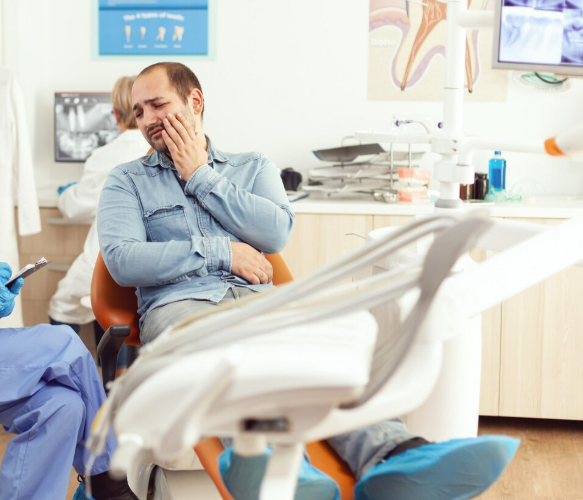
Dental visits can be daunting for many, especially for those who experience heightened fear or anxiety. The sound of a drill, the sterile environment, and the anticipation of pain can trigger stress responses that make routine dental care seem impossible. Yet, modern dental practices have recognized these challenges and developed approaches to ensure that even the most nervous patients can receive care comfortably.
Sleep dentistry is one such approach, offering a compassionate solution that addresses the emotional and physical stress associated with dental procedures. By combining professional expertise with calming techniques, patients can experience dentistry in a way that feels safe, pain-free, and even relaxing.
Understanding Dental Anxiety
Dental anxiety goes beyond simple nervousness. For some, it manifests as a full-blown phobia, often rooted in past traumatic experiences, fear of pain, or the inability to control the environment during treatment. This anxiety can lead to avoidance, causing patients to delay or entirely skip essential dental care. Over time, this neglect can result in serious oral health issues, from cavities to gum disease, which only heightens fear and perpetuates the cycle.
Recognizing the symptoms of dental anxiety is the first step toward effective intervention. Physical signs may include rapid heartbeat, sweating, nausea, or even panic attacks. Psychologically, anxious patients may experience overwhelming dread at the thought of a dental appointment, often imagining worst-case scenarios even before setting foot in the clinic.
How Sleep Dentistry Helps
Sleep dentistry, also known as sedation dentistry, is designed to ease both the mind and body during treatment. By administering safe sedative medications, dental professionals can reduce anxiety, making it possible for patients to undergo complex procedures without discomfort. Sleep dentistry ranges from minimal sedation, where patients remain awake but relaxed, to general anesthesia, where patients are completely unconscious.
For nervous patients, this approach is transformative. Procedures that might have once caused hours of stress can now be completed efficiently and comfortably. Beyond easing anxiety, sleep dentistry allows dentists to work more effectively, as patients are relaxed and cooperative throughout the treatment.
Tailored Care for Professionals
Many professionals struggle with dental anxiety due to busy schedules and high-stress careers. Sleep dentistry offers a practical solution that respects their time and emotional well-being. Clinics staffed by dental experts delivering sleep dentistry for nervous professionals ensure that even the most time-constrained and anxious patients receive the highest standard of care.
These experts assess individual needs, tailoring sedation levels and procedural approaches to each patient. The result is a treatment experience that prioritizes comfort, safety, and efficiency. For professionals who have avoided dental care for years, sleep dentistry can break the cycle of stress and neglect, allowing them to maintain optimal oral health without disruption to their daily lives.
Benefits Beyond Anxiety Reduction
While the most immediate benefit of sleep dentistry is reduced fear, the advantages extend further. Patients often experience lower stress levels, improved procedural efficiency, and quicker recovery times. Additionally, addressing dental issues promptly prevents complications that can lead to more invasive treatments in the future.
Sleep dentistry also fosters a positive relationship with dental care. By replacing fear with trust and comfort, patients are more likely to maintain regular visits, embrace preventive care, and feel empowered in their oral health journey.
Preparing for Your Sleep Dentistry Experience
Preparation is crucial to ensure a smooth and effective sedation experience. Patients should provide a complete medical history, including any medications, allergies, or past experiences with anesthesia. Fasting requirements may be necessary for certain levels of sedation, and patients are typically advised to arrange transportation, as driving post-procedure is unsafe.
Open communication with your dentist is essential. Discuss your fears, desired level of sedation, and any concerns about the procedure. This transparency allows dental professionals to tailor the experience, enhancing both comfort and safety.
Overcoming the Barrier of Avoidance
Many people continue to postpone dental visits due to state of fear-based avoidance. Sleep dentistry provides a pathway to overcome this barrier, breaking the cycle of anxiety and neglect. By addressing both the psychological and physical components of dental fear, patients can finally access the care they need without the emotional burden that previously prevented it.
With compassionate care, specialized sedation techniques, and professional guidance, patients can experience dentistry free from stress, restoring both their oral health and confidence in dental visits.