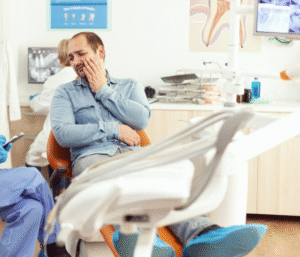
Dental anxiety has long been one of the most significant barriers preventing Australians from seeking regular oral care. For many, fear of pain, loss of control, or past negative experiences can make even routine check-ups feel overwhelming. As awareness of this issue grows, dental clinics across Australia are shifting their approach, investing in advanced solutions that prioritise comfort and emotional wellbeing alongside clinical excellence.
Sleep dentistry has emerged as a powerful response to this challenge. Rather than treating anxiety as an afterthought, clinics are integrating sedation options into their core services. This approach allows patients to undergo dental procedures in a deeply relaxed state, reducing distress and improving their overall experience. The result is a model of care that supports both patients and practitioners, making treatment more accessible and efficient.
A key reason why sleep dentistry is growing in Australian dental clinics is the increasing recognition of dental anxiety as a genuine healthcare issue. Research shows that dental fear can trigger physical stress responses, including increased heart rate and blood pressure, which can complicate treatment. Sedation dentistry helps minimise these reactions, allowing dentists to work more smoothly while ensuring patient safety and comfort.
From a clinical perspective, sleep dentistry also enables more complex procedures to be completed in fewer appointments. When patients are calm and relaxed, dentists can focus fully on delivering precise, high-quality care without frequent interruptions or distress-related delays. This efficiency benefits everyone involved, reducing treatment times and improving outcomes.
Australia’s changing demographics have further accelerated the adoption of sleep dentistry. An ageing population means more patients require extensive restorative or surgical dental work. These procedures can be physically demanding and emotionally taxing, particularly for individuals with heightened sensitivity or underlying health concerns. Sedation provides a controlled environment in which longer or more involved treatments can be performed with minimal strain on the patient.
Parents are also increasingly seeking sleep dentistry for children who struggle with dental fear. Early dental experiences play a crucial role in shaping lifelong attitudes toward oral health. For children who experience intense anxiety or sensory sensitivities, sedation can prevent traumatic encounters that might otherwise lead to long-term avoidance of dental care. By addressing fear early, clinics help foster healthier relationships with dentistry that extend into adulthood.
The rise of sleep dentistry also reflects broader shifts within the dental profession itself. Australian dental associations and training institutions now place greater emphasis on patient-centred care. Continuing education programs focus on safe sedation techniques, patient assessment, and emergency preparedness, ensuring that clinics offering these services meet rigorous professional standards. This structured approach has helped build trust in sleep dentistry among both practitioners and the public.
Technology has played a supporting role in this growth as well. Advances in monitoring equipment and sedation medications have made sleep dentistry safer and more predictable than ever before. Clinics can closely track vital signs throughout procedures, allowing for precise adjustments and rapid response if needed. These improvements have significantly reduced risks and expanded the range of patients who can safely benefit from sedation.
From a business standpoint, offering sleep dentistry allows clinics to differentiate themselves in a competitive market. Patients today are more informed and proactive, often researching comfort-focused options before choosing a provider. Clinics that invest in sedation services signal a commitment to compassionate care, which can strengthen patient loyalty and attract individuals who may have avoided dental treatment for years.
While sleep dentistry requires additional training, certification, and equipment, many clinics view this investment as essential rather than optional. By removing fear-related barriers, dentists can help patients maintain consistent oral health routines, leading to earlier intervention, fewer emergencies, and better long-term outcomes.
Ultimately, the growth of sleep dentistry represents a meaningful evolution in Australian dental care. It acknowledges that oral health is deeply connected to emotional wellbeing and that addressing anxiety is key to improving access and results. For individuals seeking support and information tailored specifically to patients with dental anxiety, sleep dentistry continues to offer a practical and compassionate pathway to stress-free treatment.